In today’s fast-paced 2025 world, keeping your mind sharp and focused has never been more important. Distractions are everywhere, making it essential to find ways to boost mental agility and stay ahead.
This article uncovers nine essential puzzles for your mind, each backed by science to improve your cognitive focus and mental flexibility. From logic challenges to creative word games, you’ll discover tools that can enhance daily productivity, sharpen problem-solving, and support long-term brain health.
Ready to transform your focus? Dive in and explore how these powerful puzzles can help you unlock new levels of mental clarity and performance.
The Science Behind Puzzles and Focus
Unlocking the secrets of a sharper mind starts with understanding why puzzles for your mind are more than just a pastime. Science shows that engaging with puzzles can transform how we think, focus, and even age. Let’s break down the fascinating research behind why puzzles for your mind are a powerhouse for cognitive health.
Cognitive Benefits of Puzzle Solving
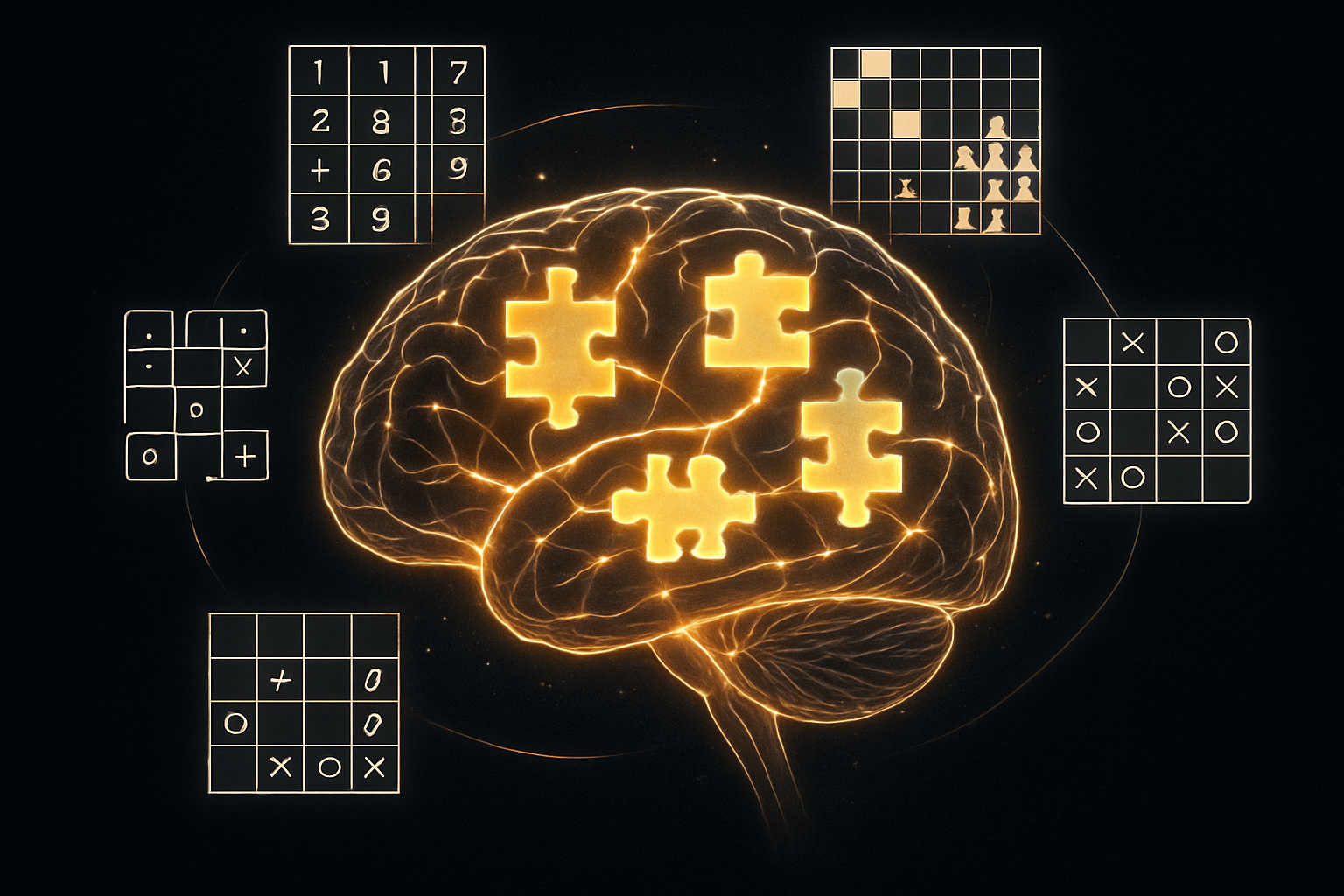
When you solve puzzles for your mind, you activate multiple brain regions at once. Research from Harvard and Cambridge highlights how puzzles improve concentration, memory, and neuroplasticity—the brain's ability to adapt and grow.
Studies show that regular puzzle play can reduce cognitive decline by up to 30%, according to the Alzheimer’s Association. This is partly due to the dopamine released when you solve a challenging problem, boosting motivation and satisfaction.
For a deeper dive into how daily puzzle routines can enhance mental agility and memory, check out the Cognitive Benefits of Puzzle Solving for Brain Training.
Why Focus Is a Key Skill for 2025
In today’s digital world, distractions are everywhere. On average, workers lose 2.1 hours per day to interruptions (UC Irvine). That’s why puzzles for your mind are more crucial than ever for building focus.
A strong attention span directly boosts productivity and learning capacity. Tech leaders now advocate for routines that sharpen focus, knowing it’s a key to career success—especially as remote and hybrid work demand greater cognitive stamina.
How Puzzles Train the Brain for Focus
Solving puzzles for your mind engages attention mechanisms like pattern recognition and logical deduction. Each puzzle session is a workout for your mental endurance, helping you stay sharp longer.
Consider students who use puzzles for exam prep. They report better focus and improved retention. Puzzles also promote mindfulness and flow—the state where you’re fully absorbed and time seems to slip away.
Choosing the Right Puzzle for Your Mind
Selecting the right puzzles for your mind means matching your skill level and goals. Aim for a balance between challenge and enjoyment to keep things engaging.
Mix different types—visual, logic, word puzzles—to avoid cognitive plateaus. Track your progress, set small goals, and notice how your focus improves over time. The right mix keeps your brain flexible and motivated.
9 Essential Puzzles For Your Mind To Sharpen Focus In 2025
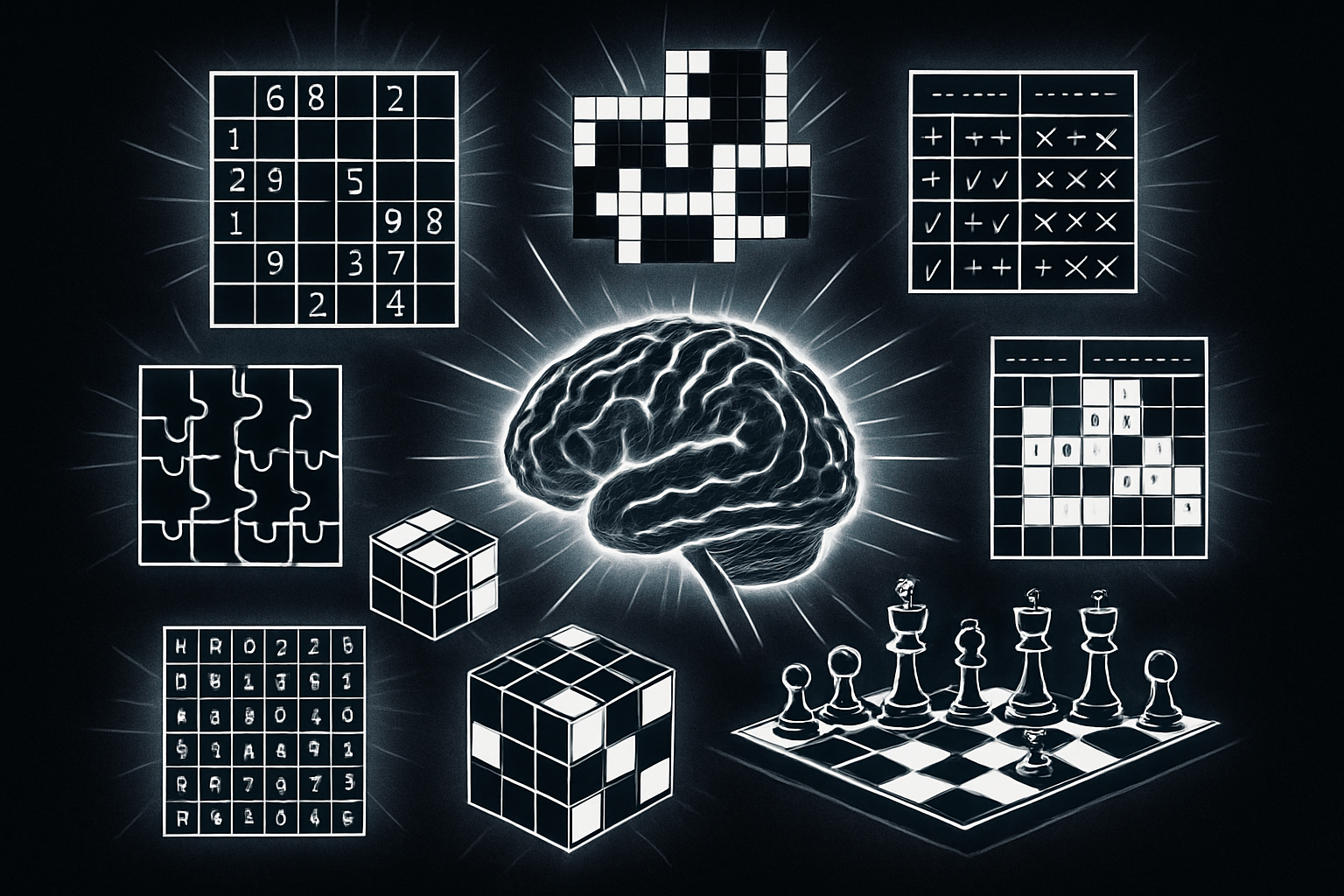
Ready to unlock your brain’s full potential? Let’s dive into nine essential puzzles for your mind that science shows can supercharge your focus and mental agility. Each puzzle below offers unique ways to train your brain, boost productivity, and keep cognitive decline at bay. Explore, experiment, and see which challenges help you stay sharp in 2025.
1. Sudoku
Sudoku stands tall among puzzles for your mind, captivating millions worldwide since its rise in Japan during the 1980s. This logic-based number puzzle challenges you to fill a 9×9 grid so every row, column, and 3×3 box contains digits 1 through 9, with no repeats.
What makes Sudoku one of the best puzzles for your mind is its demand for pattern recognition and logical deduction. Studies show regular Sudoku play strengthens concentration, memory, and executive function. For example, research from Harvard found participants who played Sudoku daily saw improvements in working memory and problem-solving skills.
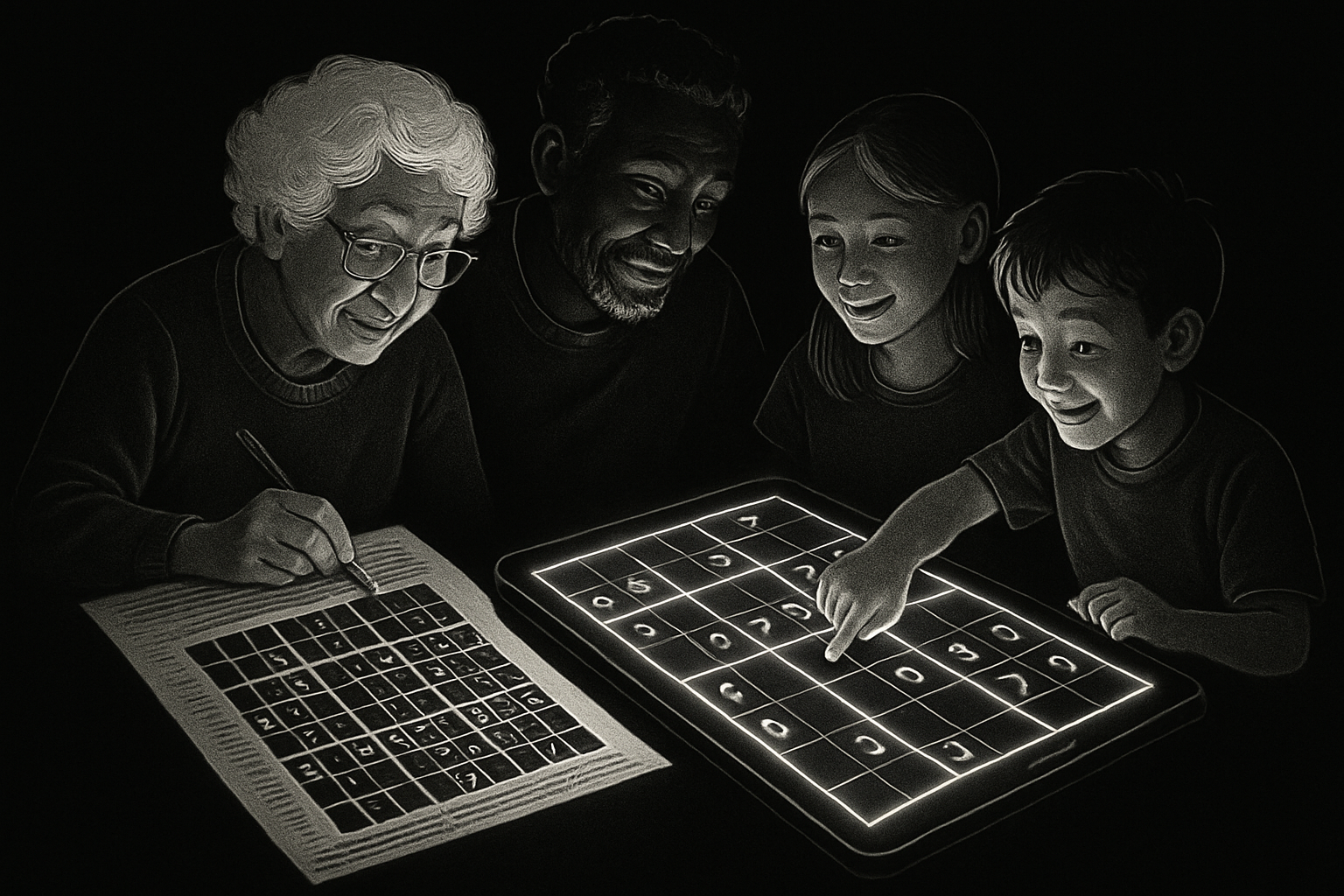
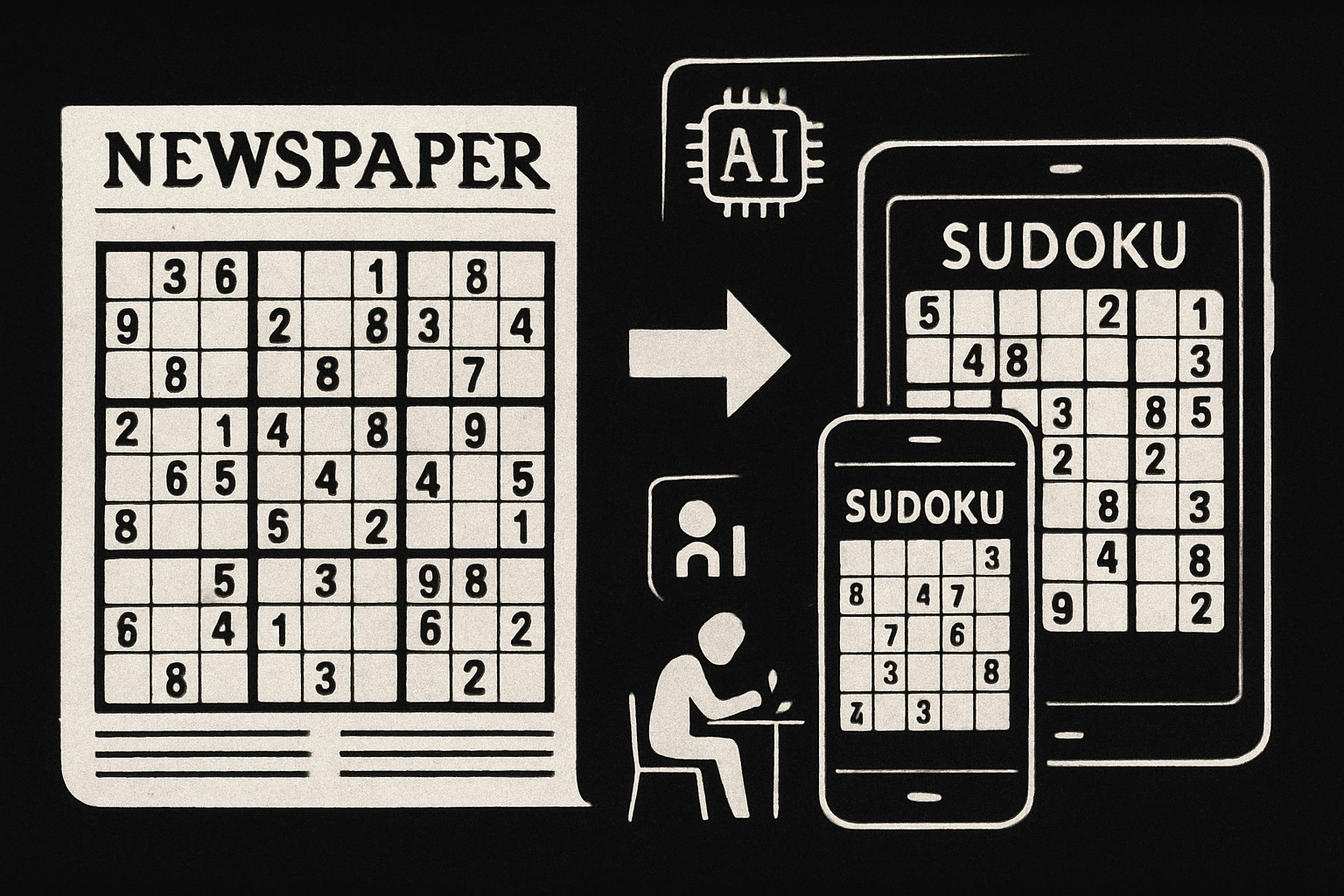
Sudoku’s beauty lies in its adaptability. Beginners can start with easy puzzles, while seasoned solvers can tackle Killer Sudoku or Hyper Sudoku for a fresh twist. Both digital and print versions abound, letting you choose your favorite format.
- Tip: Always scan for single possibilities before making guesses.
- For all ages: Sudoku is perfect for anyone seeking a daily mental workout.
- Resource: New to the game? Check out this How to Play Sudoku guide for easy steps.
Sudoku is more than a pastime—it’s a proven tool to sharpen focus and keep your mind agile.
2. Crossword Puzzles
Classic crosswords remain a staple among puzzles for your mind, challenging solvers with clever wordplay and trivia. Whether in newspapers or apps, crosswords engage language centers and stretch your verbal fluency.
Solving crosswords regularly can boost vocabulary and recall. In fact, studies show that crossword enthusiasts score 10% higher on vocabulary tests. Themed puzzles and cryptic clues add layers of challenge, perfect for lifelong learners and language lovers.
The New York Times crossword community is legendary, with daily puzzles of all difficulty levels. Improving at crosswords means learning to recognize common clues, expanding general knowledge, and developing patience.
- Tip: Start with Monday puzzles—they’re easiest.
- Strategy: Fill in blanks you know, then use crossings to deduce trickier answers.
- Enjoy variety: Try mini crosswords for a quick challenge.
Crossword puzzles for your mind offer both entertainment and a serious brain boost, making them a must for anyone looking to stay sharp.
3. Jigsaw Puzzles
Jigsaw puzzles for your mind are more than just a relaxing hobby—they’re a powerhouse for visual-spatial reasoning and memory. Assembling hundreds or thousands of pieces into a complete image requires attention, pattern recognition, and hand-eye coordination.
Research shows that completing jigsaw puzzles can increase short-term memory by up to 25%. The meditative process also reduces stress and improves mood, making it a favorite for group activities or solo sessions. Large puzzles, like 1,000-piece sets, can foster collaboration and patience.
- Start smart: Begin with edge pieces and sort by color for faster assembly.
- Brain benefit: Jigsaws are great for building focus and perseverance.
- Explore further: Learn more about the history and science of jigsaw puzzles on Jigsaw Puzzle.
Jigsaw puzzles for your mind are perfect for all ages and can be a calming way to sharpen focus after a busy day.
4. Logic Grid Puzzles
Logic grid puzzles for your mind, like Einstein’s Riddle and Zebra Puzzle, require you to deduce relationships from a given set of clues. Each puzzle presents a grid where you systematically eliminate possibilities and narrow down solutions with each clue.
Solving these deduction-based puzzles trains systematic thinking, patience, and multi-step reasoning. They’re used in academic and professional settings to build analytical skills and concentration.
- Tip: Mark off impossible options to clarify your choices.
- Track progress: Use a pencil or digital tool for easy corrections.
- Resource: For a deeper dive, check out this Logic Problem Puzzles Guide for strategies and sample puzzles.
Logic grid puzzles for your mind are ideal for those who love a challenge and want to boost focus through structured problem-solving.
5. Rubik’s Cube and 3D Puzzles
Rubik’s Cube and 3D puzzles for your mind tap into spatial intelligence, memory, and manual dexterity. The iconic cube, invented in 1974, has inspired global competitions and a vibrant speedcubing community.
Solving a Rubik’s Cube requires recognizing patterns, planning moves, and visualizing transformations. Studies show tackling 3D puzzles can improve spatial memory by 15%, making them especially useful for STEM students and engineers.
- Start slow: Learn basic algorithms before attempting speed solves.
- Expand horizons: Try other 3D brainteasers like Pyraminx or Mirror Cube.
- Join the fun: Participate in local or online speedcubing events.
3D puzzles for your mind are stimulating and fun, offering hands-on ways to build focus and persistence.
6. Word Search and Anagram Puzzles
Word search and anagram puzzles for your mind are fantastic for sharpening pattern recognition and language skills. Word searches train your brain to quickly scan and identify patterns, while anagrams stretch your cognitive flexibility and vocabulary.
Competitive word search tournaments showcase how these simple puzzles can become intense brain workouts. Anagrams, meanwhile, challenge you to rearrange letters to form new words, boosting creativity and mental agility.
- Tip: Set a timer for word searches to increase challenge.
- Themed puzzles: Choose topics that interest you for added engagement.
- Language learners: These puzzles are excellent for building new vocabulary.
Word-based puzzles for your mind can be a fun way to unwind while keeping your brain sharp and focused.
7. Chess Puzzles
Chess puzzles for your mind elevate strategic and tactical thinking. Whether it’s a mate-in-two or a complex endgame study, these puzzles demand planning, foresight, and patience.
Research shows chess players have 13% better planning skills than non-players. Solving chess puzzles regularly develops decision-making and analytical abilities, key for both the chessboard and real-life challenges.
- Tip: Analyze each position before moving.
- Platforms: Try daily puzzles on chess apps or websites.
- Study openings: Learning classic patterns helps in faster problem-solving.
For those who crave depth, chess puzzles for your mind are the ultimate test of focus and mental stamina.
8. Nonograms and Picture Logic Puzzles
Nonograms, also known as Picross or Griddlers, are picture logic puzzles for your mind that combine visual reasoning with number clues. The goal is to fill in grid cells to reveal a hidden image, using logic to deduce which squares to shade.
Nonograms boost visual memory, attention to detail, and patience. Japanese logic puzzle competitions often feature nonograms as a test of both speed and accuracy.
- Step-by-step: Start with rows or columns with the largest numbers.
- Recommended: Try apps or books dedicated to nonograms for endless variety.
- Stay persistent: Complex puzzles may take time, but the payoff is satisfying.
Picture logic puzzles for your mind are perfect for visual thinkers seeking a meditative yet challenging experience.
9. Kakuro and Math-Based Puzzles
Kakuro, KenKen, and similar math-based puzzles for your mind blend arithmetic with logic. These puzzles challenge you to fill grids with numbers that sum to given clues, without repeating digits in any row or column.
Math-based puzzles improve calculation speed by 20% and strengthen logical deduction skills. Teachers often use them in classrooms to reinforce math fluency and focus.
- Tip: Break down complex grids into smaller sections.
- Variety: Mix in Sudoku or other math puzzles for broad cognitive benefits.
- Challenge yourself: Try harder puzzles as your skills grow.
Math-centric puzzles for your mind are ideal for anyone wanting to boost mental math and sharpen focus through playful problem-solving.
Integrating Puzzles Into Your Daily Routine
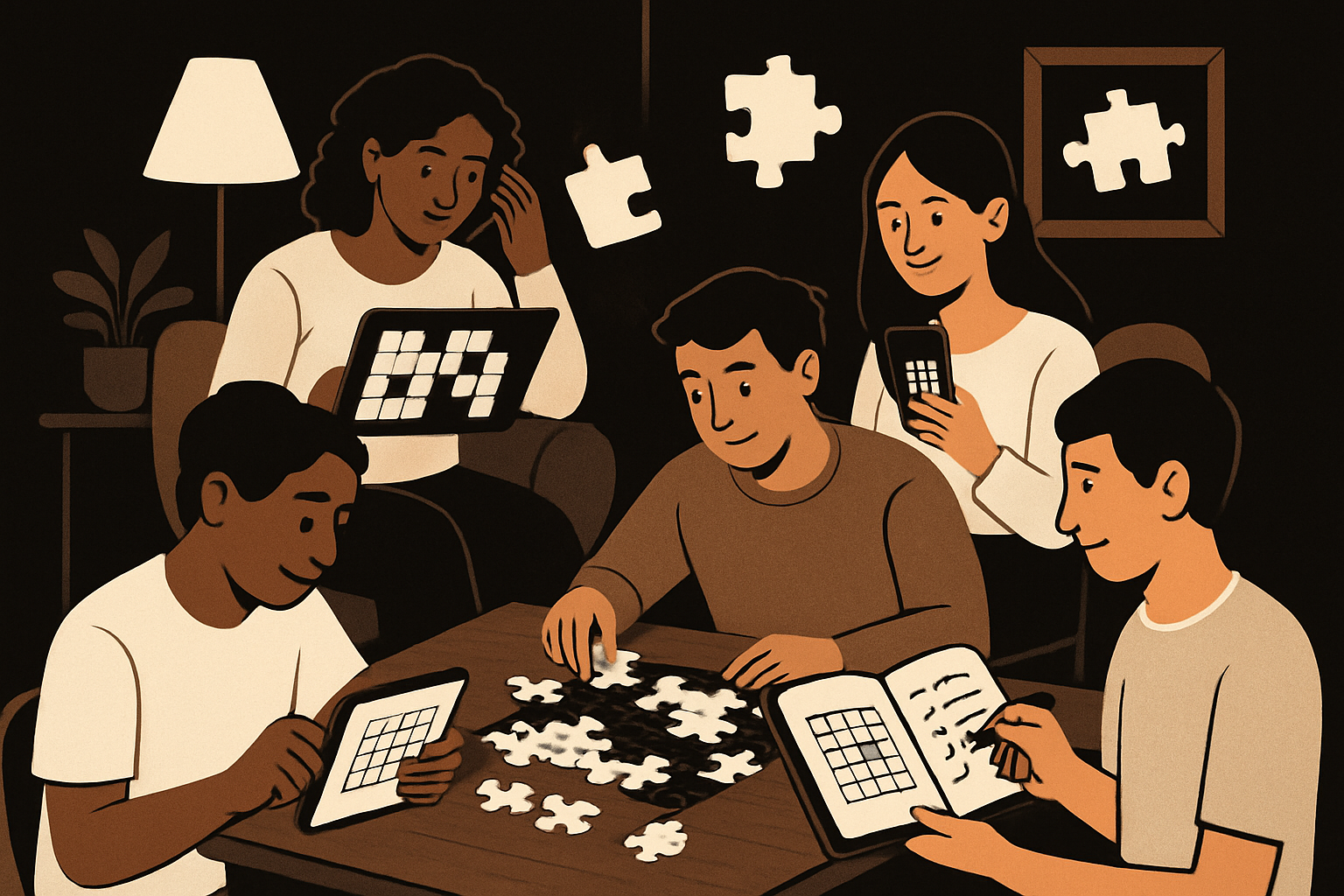
Developing a routine with puzzles for your mind can be a game-changer for focus and mental performance. By weaving these brain-boosting activities into your day, you’ll see benefits that ripple into work, study, and personal life.
Building a Puzzle Habit
Starting a habit with puzzles for your mind doesn’t require hours—just a few minutes daily can spark real change. Set aside a consistent time, such as after breakfast or before bed, to make puzzle-solving second nature.
Begin with brief sessions. Try a quick crossword or a five-minute Sudoku as a brain warm-up. Over time, increase the challenge or duration as your focus grows.
- Schedule puzzle time in your calendar.
- Pair puzzles with your coffee or commute.
- Celebrate small wins to stay motivated.
Making puzzles for your mind part of your routine can transform mental sharpness and set a positive tone for your day.
Digital vs. Physical Puzzles: Which Is Better?
Choosing between digital and physical puzzles for your mind depends on your lifestyle and preferences. Digital apps offer convenience, variety, and instant feedback, making them ideal for busy schedules. Research shows digital puzzles increase engagement by 18%.
Physical puzzles, like crosswords or jigsaws, provide a tactile experience and a break from screens. If you love the feel of paper, explore Printable Sudoku Puzzles to enjoy offline options anytime.
For many, a hybrid approach works best—switch between app-based puzzles and hands-on activities to keep things fresh and engaging for your brain.
Tracking Progress and Measuring Focus Gains
To maximize the benefits of puzzles for your mind, track your progress and set clear cognitive goals. Use puzzle apps with built-in stats, or keep a simple journal noting how focused you feel before and after each session.
Try these strategies:
- Set weekly targets for puzzle completion.
- Record solving times to measure improvement.
- Join online leaderboards or friendly competitions.
Monitoring your journey with puzzles for your mind helps you see real gains in attention and problem-solving, boosting motivation over time.
Overcoming Common Challenges
When integrating puzzles for your mind into daily life, you may face frustration or plateau. It’s normal to get stuck or feel puzzle fatigue—don’t let it derail your progress.
- Rotate puzzle types to keep things interesting.
- Take short breaks if you feel stuck.
- Join puzzle clubs or online forums for support.
Remember, every challenge is a step toward sharper focus. Stay patient, embrace variety, and connect with others to keep your puzzle routine enjoyable and sustainable.
The Future of Mind-Sharpening Puzzles
Looking ahead, the world of puzzles for your mind is evolving at lightning speed. As technology advances and our understanding of the brain deepens, puzzles are becoming even more powerful tools for mental sharpness and focus. Let’s explore what lies ahead for puzzles for your mind, from innovative designs to collaborative experiences that reshape how we challenge and grow our brains.

Trends in Puzzle Design and Technology
The landscape of puzzles for your mind is being transformed by cutting-edge technology. AI-generated puzzles now adapt to your skill level, ensuring every challenge is tailored for growth. Augmented reality and virtual reality are making puzzles more immersive, blending digital clues with the real world for a unique brain workout.
In 2024, puzzle app downloads soared by 35%, showing just how popular these innovations have become. Gamification, like points and rewards, keeps motivation high. Personalized recommendations mean you’ll always find puzzles for your mind that match your interests and goals. For those curious about how technology unlocks the brain’s potential, studies such as Decoding Chess Puzzle Play and Standard Cognitive Tasks for BCI: A Low-Cost EEG Study offer fascinating insights into how digital puzzles engage different parts of the mind.
Puzzles as Tools for Lifelong Learning
Puzzles for your mind are no longer just games—they’re vital tools for learning and growth at every age. Schools and workplaces are embracing logic games and brainteasers as part of training, helping students and professionals alike sharpen their focus and problem-solving skills. Research shows that regular engagement with puzzles for your mind can help slow age-related cognitive decline and boost memory retention.
Companies now use puzzles in team-building exercises and onboarding sessions. For a deeper dive into how puzzles enhance lifelong learning and mental agility, check out The Amazing Cognitive Benefits Of Puzzle Games. The future holds even more promise as puzzles for your mind become central to education and personal development.
Social and Collaborative Puzzle Experiences
The future of puzzles for your mind isn’t just about solo play. Multiplayer and cooperative puzzles are gaining momentum, turning brain games into social adventures. Virtual escape rooms and online tournaments unite people across the globe, fostering teamwork and communication as everyone works together to solve complex challenges.
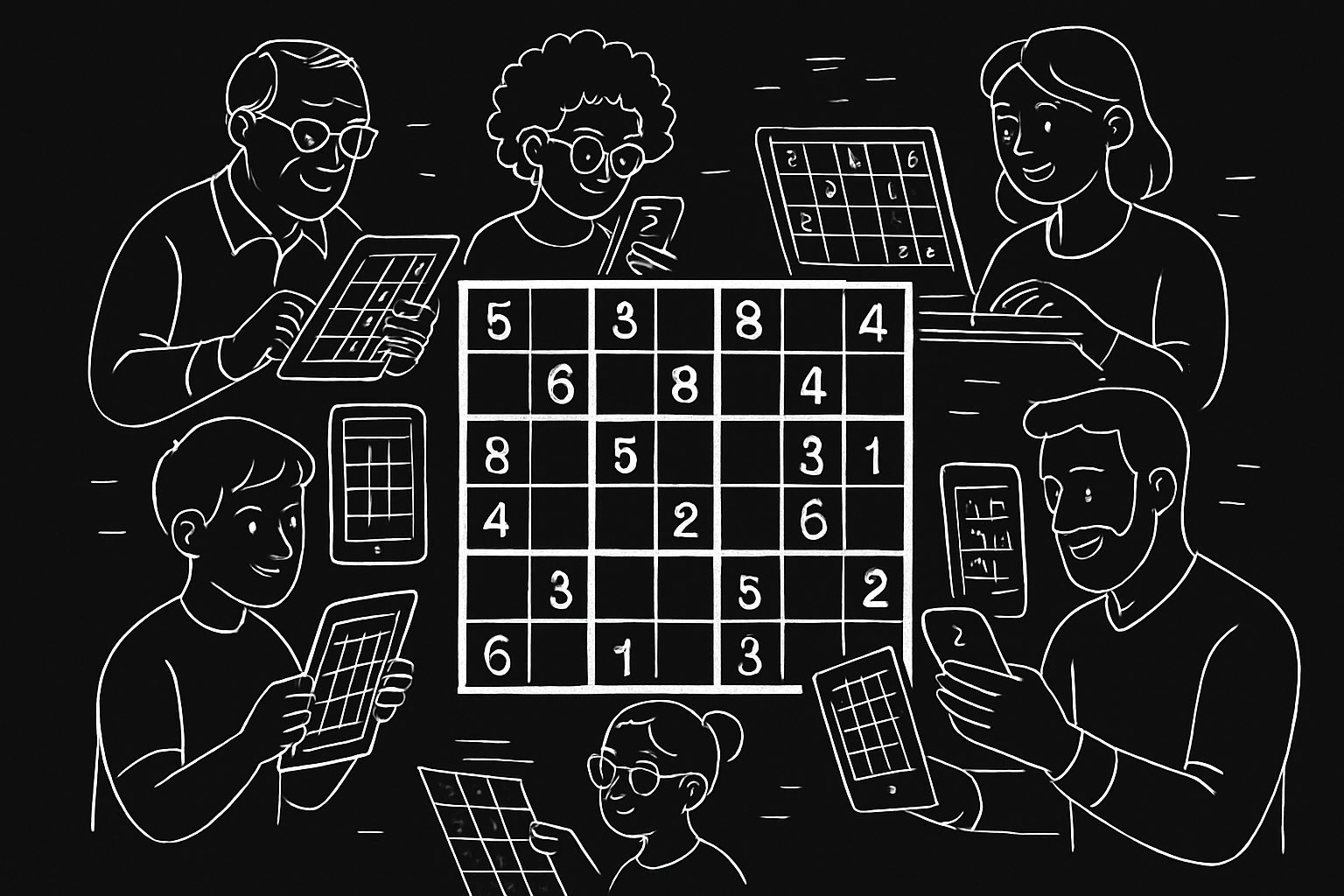
These collaborative experiences make puzzles for your mind more engaging and rewarding. Sharing strategies and celebrating victories with others builds community and keeps motivation strong. As technology connects us in new ways, expect puzzles for your mind to become a key part of both online and offline social life.
Now that you know how powerful puzzles can be for sharpening your focus and boosting brain power, why not dive right in? If you’re ready to put some of these strategies into practice, I recommend starting with Sudoku—it’s fun, challenging, and fits perfectly into any routine. Whether you’re a complete beginner or looking to tackle tougher grids, you’ll find a world of puzzles and helpful tips at your fingertips. Let’s keep our minds sharp together—Play Sudoku Online! and see how quickly you can level up your focus in 2025!